Sending It Back Isn't Free: The Returns Bill Hiding in Your Basket
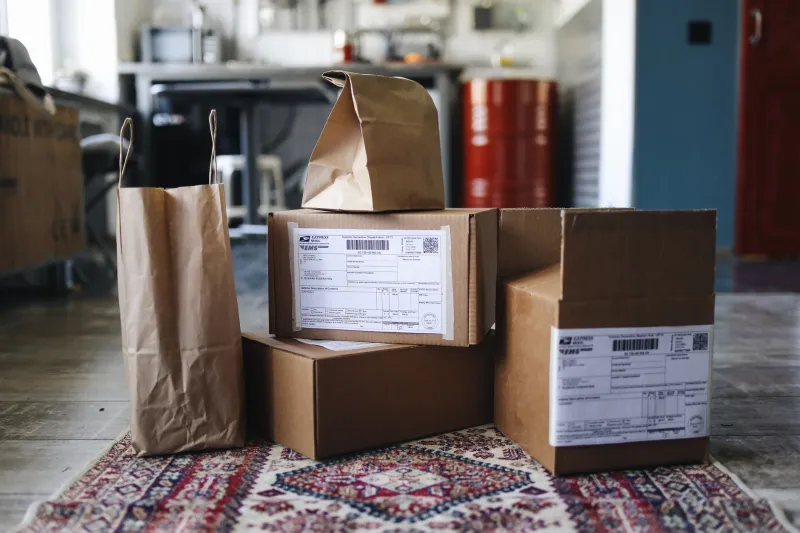
There's a lovely moment at checkout when the basket says 'free returns' and your brain files it under 'no risk'. That's the moment to slow down. In 2026, sending something back is a cost centre for retailers, and those costs have a habit of finding their way back to you — through postage, small print, or the simple fact that you've left it too late.
This isn't about blaming shops for charging. It's about doing the maths properly. A bargain with a £4.99 return label attached isn't the same bargain as one you can walk back into a shop and hand over a counter.
The checkout doesn't show the way back
Online returns look simple because the retailer wants the sale to look simple. The return bit is usually buried in a help page, a dropdown menu, or a PDF that opens at 11pm when you're already annoyed.
The obvious charge is postage. Plenty of UK retailers now offer free returns only through a specific drop-off point — a locker, a chosen shop, a printerless QR code — and charge £2.95 to £5.95 if you want a home collection or a different route. Some deduct the original delivery cost from your refund too, even if you paid for next-day delivery. That's not necessarily unfair, but it does mean the 'saving' you banked at checkout can shrink the moment the parcel goes back.
The less obvious charge is handling. You'll see wording like 'return processing fee', 'restocking charge' or 'collection fee' on bulky items, marketplace seller orders and some clearance lines. Be sceptical. If a fee appears only after you've clicked 'return', that's not a policy — that's a surprise. Check the returns page before you buy, not after.
Paid postage is the obvious bit. The small print is the expensive bit.
Return windows are where shoppers get caught. Under UK distance-selling rules, most online purchases come with a 14-day cancellation period from delivery, then another 14 days to send the item back. That's the legal floor, not a generous gift. Retailers can offer more, and many do. But 'more' can quietly become 'less' during peak periods if you don't read the date.
Watch for these classics:
- The window starts at dispatch, not delivery. If a parcel sits with a courier for four days, your return clock may already be ticking.
- Sale items are excluded. Some shops treat clearance as final sale, even though the returns page still says 'free returns' in big letters.
- Tags and packaging matter. Missing tags, damaged boxes or hygiene seals can turn a straightforward return into a 'discretionary' one.
- Marketplace sellers are not the same as the shop. A returns label from a marketplace order may go to a different address, with a different fee and a different mood.
- Refund minus original postage. Check whether you get back what you paid, or just the item price.
None of this is hidden exactly. It's just not in the place you look when you're buying.
High street versus online: different kind of free
The high street isn't innocent, but the return maths is usually clearer. If you buy in person, you have the item in your hand, you've seen the colour, and you can often return it to a counter with a receipt. Many UK chains give 28 days for a refund, sometimes 30, sometimes exchange-only on sale goods. That's still a policy, not a right — but at least you can ask a human before you pay.
Online gives you choice and price comparison, but it also gives you the bracketing problem: order three sizes, keep one, send two back. That works when returns are genuinely free and convenient. It stops working when each return costs a fiver and a trip to a locker. Suddenly the 'cheaper' online buy has a return tax built in.
A useful test: if you knew you'd have to return it, would you still buy it? If the answer is no, you're not buying a bargain — you're buying a lottery ticket with a delivery label.
Returnless refunds: convenient, not a right
Some retailers now offer 'returnless refunds' on low-value items. They refund you and tell you to keep the thing. Lovely when it happens. It saves postage, packaging and a queue at the Post Office.
But don't build a shopping strategy around it. A returnless refund is a customer-service decision, not a consumer right. It often applies to cheap items where the return cost is higher than the product, and it can vanish without notice. If you're buying something you might need to send back, assume you'll have to send it back.
The rule I use before clicking 'buy'
Here's the no-flannel version: take the discount, subtract the realistic cost of one return, then subtract a fiver for your time and the chance of a fight. If it's still cheaper than buying locally with a changing room and a counter, it's a deal. If not, walk away.
That £60 jacket down from £90 isn't a £30 saving if the return label costs £4.99, the refund takes ten days, and you've got to print a label at work. It's a £25 saving with admin. That's still fine if you're confident about the fit. It's not fine if you're ordering three sizes on a hunch.
So before you buy, do three things: check the returns page, check the return window, and check whether the postage is on you. If the small print is vague, assume the worst. A genuine bargain survives a return. A pretend one doesn't.