The Free-Sounding Pickup: What Click and Collect Really Costs in 2026
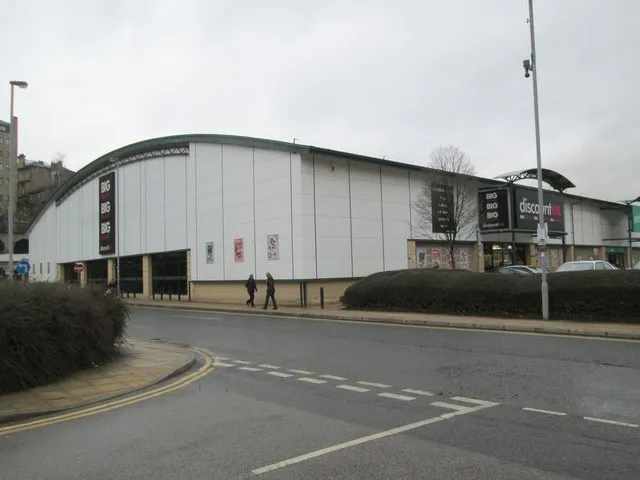
Photo: Betty Longbottom , CC BY-SA 2.0, via Wikimedia Commons
Click and collect sounds like the tidy compromise: you skip the delivery fee, you skip the courier's 'we missed you' card, and you get the thing today. But 'free collection' is a sticker price, not the full bill. Once you add parking, fuel, the queue and the chance that the item is not ready - or is not right - the saving that made the order worthwhile can quietly disappear.
The saving is the bait
Most of us click collect for one reason: the delivery charge. A £4.99 fee feels avoidable, so we choose the free option and mentally bank the fiver. That is fine if the store is on your normal route. It is less fine if it means a special trip to a retail park where the car park is run by a company with no interest in your bargain.
The tell is simple. If you would not go to that shop anyway, you have not saved the delivery fee. You have bought a small outing and paid for it in other ways.
Where the money actually goes
Parking is the obvious one. A typical out-of-town car park might charge £2 to £4 for two hours; city centre parking can be £3 to £6 an hour. Some stores validate parking, but often only if you spend a set amount - which is not free, it is a minimum spend with a ticket machine.
Fuel matters too. A 10-mile round trip in a typical petrol car can easily cost £2 to £3 in 2026, before you count wear and tear. That is not huge on its own. Stack it on top of parking and the 'free' collection is already close to the delivery fee you were avoiding.
Then there is time. A 40-minute round trip is two-thirds of an hour. If your time is worth £15 an hour to you, that trip has a £10 opportunity cost. You might not bill yourself for it, but you will feel it when the queue is six deep and the click-and-collect desk is also the customer service desk.
Failed pickups are the hidden tax. The item is not in stock, the barcode will not scan, the store has sent it to the wrong branch, or the size is wrong when you open the bag. Now you have a second trip to add to the first. Even a 20% chance of a repeat journey changes the maths.
And do not forget the impulse spend. A 'quick pickup' in a store with a decent homeware aisle or a food hall is rarely just a pickup.
The 30-second break-even test
Before you choose collection, do this rough sum:
- Parking: the actual charge, not the first-hour-free fantasy.
- Fuel or fare: round-trip cost.
- Time: minutes divided by 60, multiplied by what an hour of your time is worth to you.
- Failure risk: the chance of a repeat trip multiplied by the cost of that trip.
Compare the total with the delivery fee or the online saving that tempted you. If collection costs more, pay the delivery charge or wait for a better option. If collection is cheaper, collect - but only if you would have made that journey anyway.
A worked example: £3 parking + £2.50 fuel + £8 time + £2 expected failure cost = £15.50. Against a £4.99 delivery fee, that is not a saving. Against a £20 online discount, it might still be worth it - but now you are making an informed choice rather than being sold a freebie.
Which collections are genuinely free - and which just move the cost
Genuinely free collection usually has three features: no collection fee, no minimum spend, and a journey you can make on foot or with parking you would use anyway. That is more about the trip than the brand. A city-centre store you walk past on the way to work can be free in the way that matters. A retail-park unit with a pay-and-display machine is not.
Some collections are free at the till but cost you at the barrier. Supermarkets and large high-street chains often waive the collection fee, then charge for parking or limit free parking to 60 or 90 minutes. Lockers are free to use, but they often sit at petrol stations or shopping centres with their own parking rules. A 'free' next-day slot that requires a £30 minimum spend is not free either - it is a spend you did not plan.
Be wary of stores that only validate parking over a certain spend, or that push you into a paid 'priority' collection slot. That is not a free service. It is a delivery fee with extra steps.
How to collect without donating your saving
First, check the store's parking rules before you order. Not the retailer's rules - the car park's. Second, choose a collection point you can reach without a special trip: a shop near work, a locker on your commute, a supermarket you already use. Third, check the collection window. A slot that expires while you are at work is a failed pickup waiting to happen.
Fourth, open the item at the desk if you can. A quick check saves a second journey. Fifth, keep the delivery option in the comparison. If the 'free' collection is going to cost you £6 in parking and 45 minutes, the £4.99 delivery is the cheaper deal.
The bottom line
Click and collect is not a con. It is a convenience with a cost, and the cost is often paid in places that do not show up on the order confirmation. The savvy move is not to refuse it - it is to price it properly. If the collection is on your route and the parking is free, bank the saving. If it means a special trip, a paid car park and a queue, you have not beaten the delivery fee. You have just moved it.