Count the Units, Not the Yellow Stickers: A Christmas Multi-Buy Reality Check
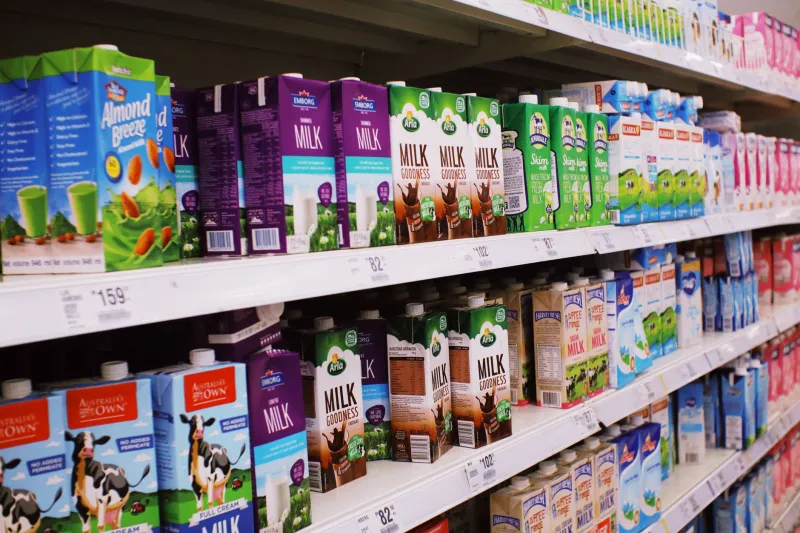
The Christmas 2026 aisles are already doing that thing where every other shelf edge looks like a carnival. Big yellow stickers, red flashes, '3 for £10', 'buy two, save £1'. It is designed to make the trolley feel like a win. Sometimes it is. Quite often it is just a slightly worse way to buy more than you needed.
This is not an argument against multi-buys. It is an argument for doing the unit-price maths before the sticker does your thinking for you. The offer is not the deal. The deal is what you actually pay per item you will genuinely use.
First, find the price you would really pay
A multi-buy only makes sense against the price you would pay for one item today, not the fantasy 'was' price on the label. If a jar of pasta sauce is £2.20 on the shelf, a '3 for £6' deal works out at £2 each. Fine: 20p off per jar, 60p off the lot, assuming you need three jars. If the label says 'was £2.80', ignore it. You were not paying £2.80 yesterday and you are not paying it now.
Loyalty prices complicate this. If the single price is £1.90 with a supermarket card, a '3 for £6' offer is worse than buying three singles at £5.70. Check both prices: the standard shelf price and the member price. The offer has to beat the cheaper of the two, not the more flattering one.
The only sum that matters
Take the offer total and divide it by the number of items you will actually use. That is your effective unit price. Compare it with the single-item price. If it is higher, walk on. If it is lower, multiply the saving by the number of units you will use before the date runs out.
Example: cereal at £3.50 a box, '3 for £10'. That is £3.33 each, a saving of 17p per box and 50p across three. It is a real saving, but it is not a reason to rearrange the cupboard. If one box goes stale, you have lost more than you saved. If you only needed two boxes, you have spent £10 to save £1 and tied up £3 in a third box you did not want.
The same maths works on 'buy two, save £1'. Two items at £2.50 each come to £5. The offer makes them £4, or £2 each. That is a 20% saving on the pair. But if you only need one, you have spent £4 to save £1 on a £2.50 item. That is not a saving. That is a more expensive shop with extra cupboard admin.
Waste is a line item
Christmas is the season of optimistic trolleys. Party food for people who may not come. Fresh soup for a week that turns into three late nights and a takeaway. A family bag of crisps bought because the big pack had a better price per gram, then opened, half-eaten and left to go soft.
If you buy three and use two, the effective price is not the offer price. It is the offer total divided by two. That '3 for £10' becomes £5 per used item. If the single price was £3.50, you have paid 43% more per item for the privilege of throwing one away. The yellow sticker did not lie, exactly. It just left out the bin.
Perishables are the worst offenders. Yoghurts, fresh pasta, meat, bakery rolls, anything with a short date. A multi-buy on something you will freeze is a different conversation. A multi-buy on something that will be mouldy by Wednesday is not a deal. It is a race.
When multi-buys genuinely work
They work when the item is boring, useful and certain. Loo roll. Dishwasher tablets. Tinned tomatoes. Coffee you drink every day. Washing-up liquid. Pet food in the exact flavour your cat will actually eat. These are not glamorous buys, but they are reliable ones. You will use them, you can store them, and the unit price is easy to compare.
They also work when the pack size is the same and the offer beats the single price after any loyalty discount. Check the price per 100g or per unit on the shelf edge, not just the pack price. A bigger pack can still be worse value than a smaller one, and a multi-buy can still be worse than a single item on a member deal.
For Christmas food, be honest about headcount. 'Buy two, save £1' on mince pies is fine if you have a house full of people who eat mince pies. It is less fine if you are buying for two adults and a dog with no interest in pastry. The offer does not know your family. You do.
Online bundles: same maths, more clutter
Online multi-buys and bundles follow the same rules, with extra friction. 'Buy two, save £1' on a website may not apply if one item is substituted, and supermarket pickers do substitute. If the offer depends on two specific items and you get a different size or flavour, check what you were charged. A substitution can quietly break the deal.
Bundles can also hide weak items. A '£20 bundle' of toiletries may include one thing you want and three things you will push to the back of the bathroom cabinet. Price the items separately. If the bundle only saves money because it includes things you would never have bought, it is not a saving. It is stock you paid to store.
And check the returns position. A multi-buy from a shop is usually straightforward. A bundle from an online retailer may have different rules if you open one item and want to send the rest back. The deal is only as good as your ability to undo it.
The inflated base price trick
Watch for the 'was £5, now 2 for £8' pattern on an item that usually sells for £4.20. The offer works out at £4 each, so it is 20p better per item if you need two. That is fine. But the 'was £5' is doing a lot of emotional work. Without it, you would see a modest saving. With it, you see a 20% headline discount that may never have existed on the shelf.
This is why the comparison price has to be the current single price, not the highest price the item has ever carried. If the base price has been inflated for a few weeks before the offer, the deal can look better than it is. The unit price is the antidote. It is boring, it is small print, and it is usually right.
A 60-second audit before the trolley
Ask four questions. Will I use every item before it goes off or goes unwanted? Does the offer beat the cheapest single price today, including any loyalty price? What is the effective price per item if I only use the number I actually need? And is the pack size the same as the one I normally buy, so the unit price is a fair comparison?
If the answer to the first question is 'probably', treat the offer as a maybe. If the answer to the second is 'not sure', leave it. If the third sum makes you wince, put one back. The shelf will still be there tomorrow, and so will another offer.
The bottom line
Multi-buys are not evil and they are not automatically a con. They are a pricing tool. Sometimes they save you 50p on a cupboard staple you will definitely use. Sometimes they cost you £3 in waste and a bit of shelf-space guilt. The yellow sticker is not the verdict. The unit price is. Count the units, not the stickers, and Christmas 2026 might cost you a little less than the supermarket had planned.