The Money Is in Your Inbox: A Post-Checkout Price-Drop Playbook

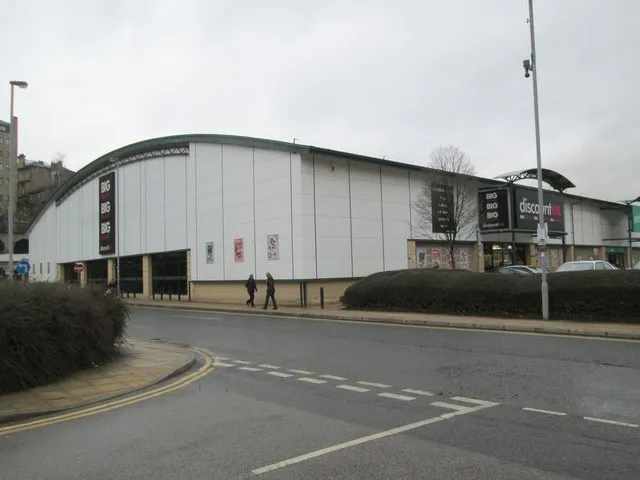
Photo: Dietmar Rabich, CC BY-SA 4.0, via Wikimedia Commons
Checkout feels final. Card tapped, confirmation email lands, deal done. Except it isn't always. In the UK, a decent number of retailers run some form of post-purchase price promise: if the thing you bought drops within a set window, you can ask for the difference. Others don't. The trick is knowing which is which before you spend Sunday morning on hold.
This isn't about being cheeky. It's about using the policy that already exists. The receipt in your inbox is not just proof of purchase; it's a timed coupon for a conversation.
The deal after the deal
Price adjustment, price promise, price match after purchase — the names vary. The idea is simple: you bought at £80, it's now £65, and the retailer refunds £15 if you qualify. Some schemes are formal and written into policy. Some are manager's discretion. Some disappeared years ago and aren't coming back.
Don't assume every shop does it. Don't assume none do. Check the retailer's 'price promise' or 'price match' page, then check the small print. The headline usually sounds generous. The exclusions do the actual work.
Where the windows hide
The obvious candidates are big-ticket electricals, homeware and fashion, where a 10% swing is normal. But the policy matters more than the sector. A few places to look:
- Retailers with a formal price-match promise, especially those competing with Argos, Currys, John Lewis or Amazon UK.
- Stores with a 'price adjustment' clause buried in returns or help pages.
- Online retailers that let you cancel and reorder before dispatch — not the same as a refund, but it can work.
- Credit card and loyalty schemes that offer price-drop protection as a bolt-on. Read the eligibility, because these are insurance products, not favours.
A rough UK pattern: some retailers offer 7 to 14 days, a few stretch to 28, many offer nothing. Treat any window as a deadline, not a vibe. If the policy says 14 days from purchase, that means 14 days, not 'sometime before payday'.
Exclusions that kill the claim
This is where most claims die. Common killers:
- The item is now in a sale that excludes price matching.
- The lower price is from a marketplace seller, not the retailer itself.
- You used a discount code, staff discount, gift card promotion or bundle deal.
- The product is a different model, colour, size or warranty package.
- The retailer requires the item to be in stock at a competitor, not just listed.
- The claim is against a 'was' price or RRP, not a current selling price.
- The policy excludes Black Friday, Cyber Monday, clearance or flash sales.
That last one matters in November. A lot of price promises go quiet during major sale events. If you bought something in early November 2026 and it drops on Black Friday, don't count the refund before you've read the terms.
The receipts you need
Keep it boring and complete:
- Your order confirmation or paper receipt.
- The current product page showing the lower price.
- A timestamped screenshot, because prices move.
- The competitor's URL, if it's a price match.
- Proof of stock and delivery cost, if the policy asks for it.
For online orders, the confirmation email is usually enough. For in-store, photograph the receipt before it fades. If you paid with a card, your statement can help, but it won't replace the receipt.
Scripts, not speeches
The best ask is short, specific and policy-shaped. You're not pitching a business case. You're helping someone process a claim.
Phone script:
'Hi — I bought [item] on [date], order number [X]. I've noticed the price is now [£Y] on your website. Your price promise says you'll refund the difference within [window]. Can you check if I qualify, please?'
In-store script:
'I bought this on [date] and it's now [£Y] on your website. I'd like to ask for a price adjustment under your price promise. Here's the receipt and the current price.'
If they say no, ask which exclusion applies. Don't argue with the person on the till; ask for the policy reference. If it's a manager decision, be polite and precise. 'Can you show me where that's written?' is more effective than 'that's not fair.'
Return-period leverage — carefully
If a price adjustment isn't available, some shoppers return and rebuy. That can work, but only inside the returns window and only if the item is eligible. Don't use a return as a threat, don't return worn or used goods, and don't assume free returns. A £4.99 return fee can eat the difference.
For large items, ask about a refund and reorder before you haul anything back. Some retailers will process a cancellation if the item hasn't shipped. Some won't. Ask first.
The clock is the point
The receipt rescue is a timing game. Check the policy the day you buy, diarise the deadline, and set a price alert. If the price drops, claim within the window. If the window closes, you've lost the argument — not because the retailer is evil, but because you missed the terms.
The deal doesn't always end at checkout. Sometimes it just takes a second email.