The Six-Pound Surprise: What to Do When the Till Beats the Shelf Tag
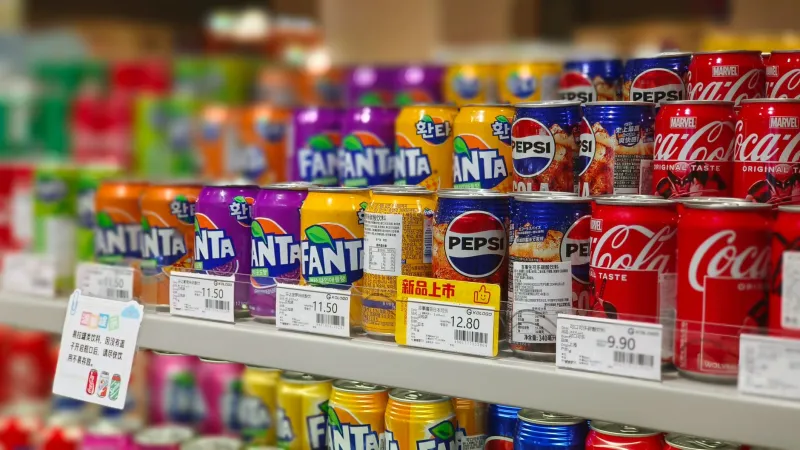
Christmas shopping has a way of making small price gaps feel enormous. You have got a trolley, a list, a queue and a child-sized countdown clock. Then the shelf-edge label says £4, the till says £6, and the person behind you sighs loudly enough to be heard in homeware.
First thing: do not assume scam. Shelf labels get moved, promo tags outlive their promo, temporary Christmas displays get filled in a hurry, and barcodes sometimes point at the wrong product. But do not assume you have to pay it either. There is a difference between a shop making a mistake and you quietly accepting it.
Why the shelf and the till fall out
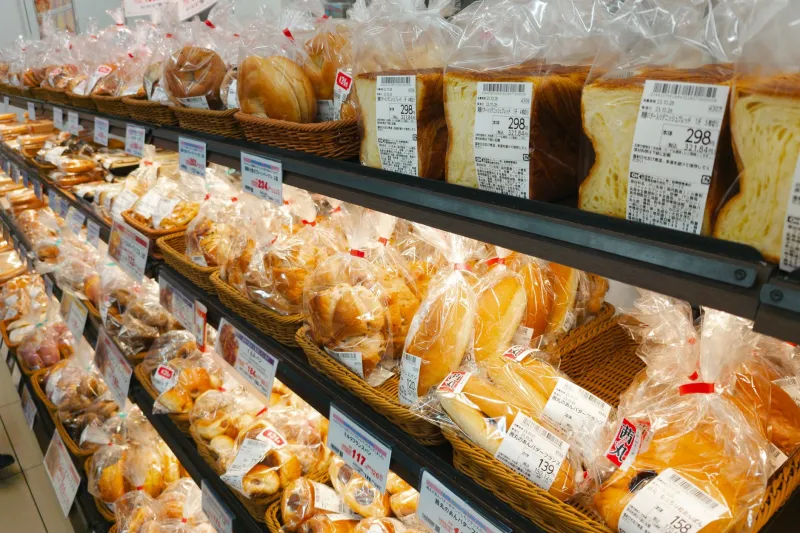
The usual suspects are boringly normal. An old yellow promo tag is still clipped to the shelf after the offer ended. A product has been shifted from one bay to another and the label did not follow. A multibuy has not triggered because the till is counting a slightly different variant. A temporary Christmas line has been priced at the wrong barcode. None of that proves malice. It does mean the shelf and the scanner are giving you two different stories.
At Christmas, the problem gets stickier because shops are busy, stock is moving fast and promotional signage changes mid-week. A label that was right on Monday can be stale by Friday. That is exactly why you should look at the shelf label and the till receipt as two claims to be checked, not as gospel and not as a conspiracy.
What the law does and does not give you
A displayed price is generally an invitation for you to buy, not a binding promise that the shop must sell at that price. The contract is usually made at the till when the retailer accepts your payment. In practice, that means a shop can refuse to sell at the shelf price if it says the label was wrong. You do not have an automatic legal right to buy the item at the lower figure just because a label says so.
That is not the whole story. The Consumer Protection from Unfair Trading Regulations 2008 prohibit misleading price indications. If a price is wrong because of a genuine one-off mistake, your automatic remedies are limited. If a shop is persistently or deliberately misleading shoppers about prices, that is a trading standards matter. The law is there to stop sharp practice, not to turn every misplaced shelf label into a courtroom drama.
If you have already paid, the till receipt is your evidence. Many shops will refund the difference as a customer-service matter, especially if you have a photo of the shelf label and the product together. Some will not. If they refuse, your route is a complaint, not a shouting match at the counter.
The voluntary scanning code, minus the mythology
Some UK retailers follow a voluntary scanning code. It is not law, and not every shop signs up to it. In practice, participating shops usually promise that if an item scans higher than the displayed shelf-edge price, you pay the lower price. Some go further and give the item free up to a set value, but do not bank on that unless the shop states it clearly.
The code is a customer-service promise, not a magic wand. Ask whether the shop follows it. If it does, ask them to apply it. If it does not, you are back to a normal conversation about the price, the evidence and whether the item is worth the bother. That is less exciting than quoting legislation at a checkout, but it is far more likely to get a result.
The counter script that keeps things calm
Keep it short, specific and friendly. You want a price check, not a debate about the nature of retail.
Hi, sorry to be that person. This shelf label says £4 but it scanned at £6. Could you check the shelf price? If the label is right, I would like it at £4 under your scanning policy.
If the assistant says the till price is correct, try:
Could you show me where the £6 is displayed? I have got a photo of the shelf label if that helps.
If the queue is building:
I am happy to step aside while you check.
If you have already paid:
I have just paid and noticed the receipt says £6. The shelf said £4. Could you refund the difference or tell me how to complain?
Avoid opening with 'that is illegal'. It usually hardens positions and makes the conversation about fault rather than the price. You are there to get the number checked, not to deliver a verdict.
Evidence beats outrage
A photo of a label on its own proves very little. You want the product and the shelf label in the same frame, ideally with the aisle or bay visible. Take a second photo of the barcode or product name. Keep the receipt. Note the store, the time, the till number and the name of anyone who helps you, if they give it.
If you are still at the shelf, check whether the label is actually for the item in your hand. Christmas Gift Set A and Christmas Gift Set B can look almost identical from a metre away and have very different barcodes. If the label is clearly for a different size, flavour or variant, say so early. It saves everyone time.
If you have already paid
Check the receipt before you leave the till area. If something has scanned higher than expected, go to customer service rather than joining the back of another queue. Ask for a price adjustment or a refund of the difference. Keep it factual: shelf price, till price, product, photo.
If the shop refuses, ask for its complaint procedure and put it in writing. Attach your photos and receipt. If you think the pricing is persistently misleading rather than a one-off slip, contact Citizens Advice consumer service, which can pass the issue to Trading Standards. For a single £2 gap, that is probably overkill. For a pattern of dodgy promo tags, it is the right route.
When walking away is the smart buy
Your time has a price too. If the gap is small and the queue is long, you are allowed to decide that the fight is not worth the saving. If the item is not essential, leave it. If the shop refuses to check the shelf or apply its own policy, buy it elsewhere or buy nothing. A Christmas shopping trip is not improved by winning a £2 argument and losing forty minutes.
And do not turn a genuine mislabel into a sport. If the label is obviously for a different product, or the offer clearly ended yesterday, pushing for the lower price may be technically possible but practically pointless. The best shoppers know when to ask, when to photograph and when to put the item back on the shelf.
The Christmas-specific traps
Multibuys are the big one. A 'three for £10' sign can sit above a product that scans at £4 each, and the discount only lands if the till recognises all three items as part of the same deal. Check the receipt before you leave. Gift sets, chocolate tins and novelty items are also prime candidates for old tags and moved stock. If the shelf looks messy, assume the pricing might be messy too.
Online prices are a separate conversation. A shop does not have to match its website price in store unless it says it will. Click-and-collect and delivery charges add another layer. If you are comparing, compare like with like: same product, same size, same conditions.
In the end, the till is not a court of law and the shelf tag is not a contract. They are both pieces of information. Your best tools are a photo, a polite question and the willingness to walk away. That is not glamorous, but it is cheaper than paying £6 for something that should have been £4.