Lighter Tins, Heavier Receipts: The 2026 Christmas Chocolate Weigh-In
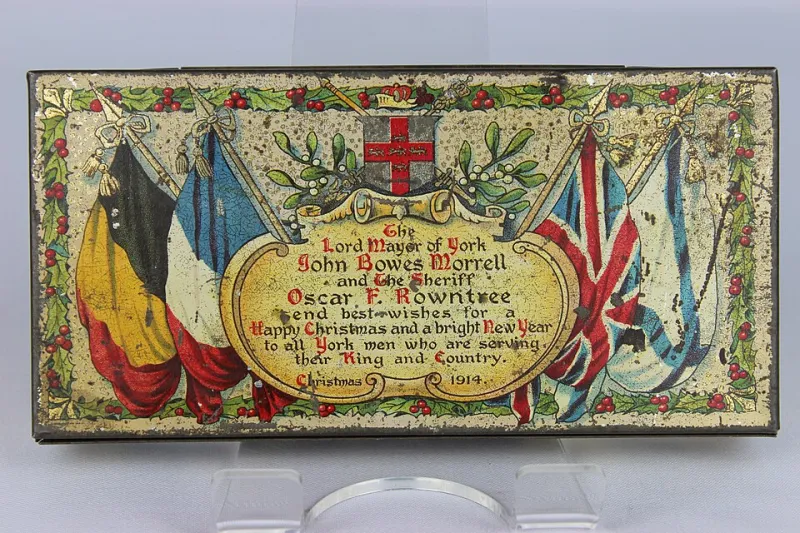
Photo: Unknown, CC BY-SA 4.0, via Wikimedia Commons
Every November, the same trick gets pulled. You pick up a chocolate tub, clock the familiar shape, pay roughly what you paid last year, and only later notice the box has gone on a diet. The tin looks the same. The price hasn't budged. The chocolate inside has quietly shrunk. Welcome to the 2026 Christmas chocolate weigh-in.
This isn't a rant about greed. It's a shelf-edge maths problem, and it's solvable in about ninety seconds if you know which numbers to look at. So here's the no-flannel version: what's actually in the tin, what it costs per 100g, and how to tell a decent buy from a decorated box of disappointment.
The only three numbers that matter
Ignore the front of the pack. Ignore the snowman, the ribbon, the word 'luxury' and the tweeting-bird sound chip on the lid. Turn the tub around and find three things:
- Net weight in grams. Not 'approx 90 sweets'. Grams.
- The shelf price. The actual one on the label, not the RRP printed in tiny type.
- Price per 100g. If the shop hasn't printed it, do it yourself: price divided by weight, times 100.
That third number is the whole game. It lets you compare a 600g tub, a 750g tub and a 1kg tin without getting distracted by packaging size or piece counts.
What a '1kg tin' means in 2026
A decade ago, a standard family tub was a full kilogram and nobody thought twice. Today, many of the big-name tubs sit between 600g and 750g, with some creeping lower. The genuine 1kg tin still exists, but it's increasingly a premium or bulk-buy item rather than the default.
That matters because the price hasn't fallen in line with the weight. If a 650g tub is £5, you're paying about 77p per 100g — genuinely decent for branded chocolate. The same tub at £7 is £1.08 per 100g. A full 1kg tin at £10 is £1 per 100g. Put those side by side and the 'big tin' isn't automatically the better buy; the smaller one at the lower price can win.
A rough rule for 2026: under £1 per 100g is a good buy for a branded tub. £1 to £1.30 is acceptable if it's a gift or you're short on time. Over £1.50 per 100g and you're paying for the tin, the marketing and the convenience — not the chocolate.
The piece-count illusion
'Approximately 90 sweets' sounds generous. But piece counts are the easiest thing in the pack to fiddle with, because sweets can get smaller while the count stays the same. A tub advertising 90 pieces might weigh 600g; another advertising 75 might weigh 650g. The one with fewer pieces has more chocolate in it.
Use the count as a rough guide to how far the tin will stretch over Christmas, not as a measure of value. If you want to compare two tubs properly, put the weights side by side and ignore the 'approx' entirely.
Selection boxes: the cardboard economy
Selection boxes are the most misleading buy on the festive aisle. A box at £1.25 sounds like a stocking-filler bargain until you read the net weight: often around 90g to 110g of actual chocolate. That's roughly £1.15 to £1.40 per 100g — worse than most full-sized tubs — and a hefty chunk of what you're carrying home is cardboard, plastic tray and a cartoon on the front.
If you're buying for a child's present, fine, the box is part of the theatre. If you're Buying chocolate, buy chocolate: a multipack of standard bars or a medium block usually delivers more edible weight for the same money, with far less packaging to bin.
The packaging tax
Shrinkflation doesn't just mean less chocolate. It often means more packaging per gram of product — deeper trays, thicker card, individually wrapped pieces that add a layer of plastic to every sweet. That's not just an environmental grumble; it's a value signal. If the box is doing more work than the contents, the price per 100g is usually telling you the same story.
A useful habit: give the tub a gentle shake. If it rattles like a maraca, the fill level is low. A denser, heavier tub for the same money is nearly always the better buy.
Where the value still sits
Supermarket own-brand tubs are the quiet winners this year. They typically undercut the big brands by 20p to 50p per 100g, and the chocolate is often made in the same kinds of factories. If the tub is for the office, the family sofa or a Secret Santa, own-label is the sensible default.
Branded tubs are worth it when they're genuinely discounted — think £4 or less for a 600g–750g tub — or when the brand itself is the point of the gift. And the old trick still works: compare the price per 100g of a tub against a large block of the same brand. The block usually wins, often comfortably.
A ninety-second shelf check
- Turn the tub around and find the grams.
- Divide the price by the weight, then multiply by 100.
- Compare that number across at least two tubs on the same shelf.
- Ignore 'approx' piece counts and any RRP that isn't the price you're actually paying.
- If it's over £1.50 per 100g, put it down unless it's a gift with a specific name on it.
That's it. No app, no loyalty card, no spreadsheet. Just the back of the box and a phone calculator.
The bottom line
The Christmas chocolate tin hasn't got smaller by accident. It's been engineered to look the same while containing less, and the price tag has been engineered to feel familiar. The fix isn't to boycott the aisle — it's to read the grams, do the division and let the price per 100g make the decision for you. A tin is a gift, not a unit of currency. Treat it like one and the shrinkflation trick stops working.