Less in the Box, Same at the Till: A Shopper’s Guide to Catching Shrinkflation in 2026
You know the move. You pick up your usual biscuits, the same chocolate, the same bag of coffee. The shelf-edge price looks familiar. Then you get home and the pack feels lighter. It is. That’s shrinkflation: same price, less product. It isn’t illegal, and it isn’t always a swindle. But in 2026, with grocery bills still under pressure, it pays to spot it before the till does.
Start with the unit price, not the big number
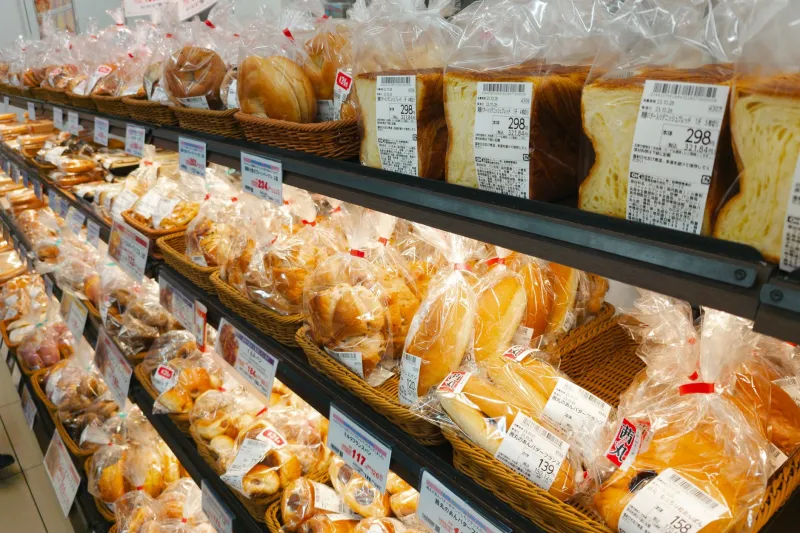
The sticker price is theatre. The unit price is the plot. UK shops should show a price per unit — usually per 100g, per 100ml or per item — though the format can be inconsistent. Compare like with like. A £1.50 pack at 75p per 100g is worse value than a £2 pack at 60p per 100g, even though the first looks cheaper. Use your phone calculator if the label is missing or confusing. In supermarkets, own-brand lines often win on unit price; in high-street chains, the convenience premium can be steep.
Watch the pack, not the picture
Shrinkflation rarely announces itself. It hides in net weights: 300g becoming 250g, 12 biscuits becoming 10, a ‘family’ bag losing a serving. Check the small print on the front, not the serving suggestion. Multipacks are a favourite: count the items. Chocolate bars can get hollows or thinner fillings; ‘new recipe’ can mean more air and less cocoa. Sometimes a recipe change is genuine — less sugar, a concentrate — but the unit price will tell you if you’re paying more for less.
Do a quick before-and-after
You don’t need a spreadsheet. Keep one old pack in the cupboard, or take a photo of the net weight before you bin it. Compare it with the new one. Check your last receipt or your supermarket app’s order history. If the price is the same and the weight has dropped, you’ve found it. If the price has risen too, that’s a double hit. A shelf-edge photo with the date is useful if you want to complain or just remember.
Where it lurks in 2026
Biscuits, chocolate, coffee, laundry detergent, toilet roll (sheet count, not roll count), bin bags (number per roll), pet food, shampoo, frozen veg and ready meals are all regular offenders. On the high street, check cosmetics, vitamins and nappies. Pound shops and fixed-price chains are especially prone: the price can’t move, so the pack does. None of this is illegal, but you’re allowed to vote with your basket.
Don’t confuse shrinkflation with a genuine reformulation
A smaller pack isn’t automatically a rip-off. Concentrated squash, detergent and some cleaning sprays use less water and packaging; a smaller bottle can do the same job. ‘Improved’ recipes can cut sugar or salt. The test is whether the unit price holds up and whether the product still works as expected. If the new version is weaker, runnier or gone in two washes, the smaller pack is a price rise in disguise.
When a smaller pack is actually fair
A smaller pack can be a good deal. If the price falls in line with the size, the unit price stays flat or drops. Trial sizes and single portions can cut waste if you won’t use a big pack. A smaller bag of salad that you’ll actually eat beats a big one that wilts. The test is simple: does the unit price make sense, and will you use it? If yes, it’s not a con. If the unit price has jumped, it’s a quiet price rise.
The five-second check
Before you put it in the basket: look at the net weight, look at the unit price, compare one alternative. That’s it. You won’t catch every trick, but you’ll catch the ones that matter. Shrinkflation works because we don’t look. A little attention is the cheapest defence.