Two’s Company, Bulk Is a Commitment: Does a £35 Warehouse Card Add Up?
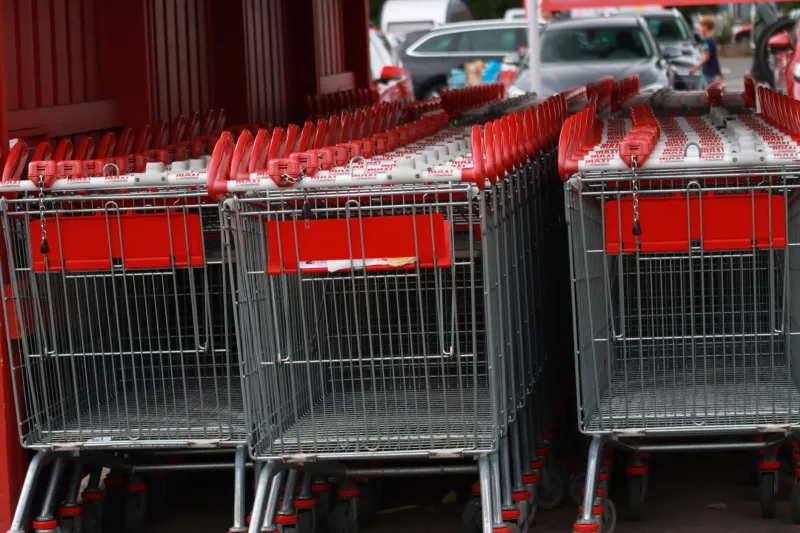
Warehouse clubs sell optimism by the pallet. You walk in for loo roll, you walk out with a catering tin of tomatoes and a vague sense that you’ve beaten the system. For a family of five, maybe. For two people in a flat with a fridge the size of a suitcase, the £35 annual card needs a colder look.
The £35 question is not really £35
Membership is the entry fee, not the saving. Add fuel, parking and the best part of an afternoon, and a round trip can easily cost £8–£12 before you’ve bought a single item. The card has to clear £45–£50 before it has done anything useful for you.
At a genuine 15% saving on like-for-like groceries, that means roughly £300 of qualifying spend. At 20%, about £225–£250. At a more realistic 10% after comparing own-brand supermarket lines, it’s £450–£500. Over a year that’s not impossible. It’s just not automatic.
What a two-person break-even basket looks like
Break-even isn’t a big trolley. It’s a boring one. The club only works for two people when the savings sit in things you already use steadily and can store without drama.
A realistic annual list looks something like this:
- Toilet roll and kitchen roll: £8–£12
- Laundry liquid or powder: £5–£8
- Tinned tomatoes, beans and sweetcorn: £4–£6
- Coffee and tea: £5–£8
- Olive oil, rice and pasta: £4–£7
- Frozen veg and berries: £5–£8
- Butter or cheese, if you have freezer space: £4–£6
- Cleaning products: £3–£5
That’s £38–£60 a year, and only if you would have bought those items anyway and can store them properly. So the card can pay for itself and maybe buy a takeaway. It is not a lifestyle.
When bulk buying is just expensive packaging
A big pack does not equal a low unit price. That’s the trap. Compare price per 100g, per 100ml or per wash, not the size of the tub. Supermarket own-brand lines regularly undercut club brands on basics, and the club’s ‘instant savings’ can be a discount off a list price nobody actually pays.
A 2kg jar of something you’ll use twice is not a bargain. It’s a storage problem with a barcode. The same goes for a catering box of snacks: if it sits in the cupboard until it goes soft, the unit price was fiction.
The fuel, freezer and cupboard tax
Space is a cost. UK kitchens are not built for pallet-sized optimism. If you have to buy a second freezer to make the membership work, the maths dies. If packs go stale or get forgotten at the back of the cupboard, the saving becomes a rounding error on a bin liner.
Two people waste less only if they portion and freeze. A 10% waste rate on a £600 annual bulk spend is £60 — more than the card. That’s the hidden bill nobody puts on the warehouse-club spreadsheet.
Supermarket multibuys and online bulk: the honest comparison
Supermarket multibuys are often better for small households because you can buy two, not twenty. But check the unit price: a 2-for-£x deal can still be worse than the own-brand version sitting next to it. The advantage is flexibility, not automatic savings.
Online bulk retailers can beat the club on tinned goods, household basics and dried staples, delivered. You lose the treasure-hunt buzz and the giant trolley, but you also keep the £35. For a two-person home, that’s often the better trade. In 2026, the warehouse club has to beat delivered online prices, not just the supermarket shelf.
A simple pre-renewal test
Take last year’s club receipts. Highlight only the items you would have bought at a supermarket anyway. Compare the unit price with today’s supermarket price. Subtract anything you threw away. If the net saving beats the card plus fuel, renew. If it doesn’t, don’t.
Verdict
For two disciplined people with a freezer and a decent cupboard, a £35 warehouse card can clear its fee on boring staples. For two people who shop weekly, have little storage and are tempted by catering packs, it’s a £35 subscription to food waste. The card isn’t the bargain. The basket is.