The 100ml Surcharge: Why Your Wash Bag Costs More Than Your Bathroom Shelf
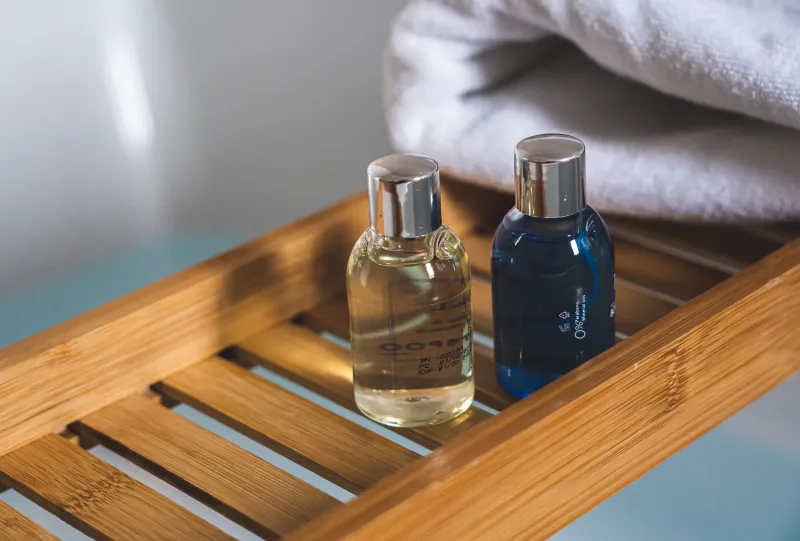
There is a particular kind of optimism in the travel toiletries aisle. You pick up a 100ml shampoo, a mini deodorant and a thimble of toothpaste, and the basket feels modest. Then you get home, line them up next to your normal bathroom shelf, and realise you have paid more per millilitre than you would for a decent bottle of wine.
In 2026, the mini bottle is everywhere: airport chemists, supermarket travel sections, online marketplaces, gift sets and the till-point impulse zone. Some of it is genuinely useful. A lot of it is a convenience fee dressed up as a travel essential. The trick is knowing which is which before the checkout.
The Mini Premium, Laid Bare
Unit price is the only honest way to compare a tiddler with a tanker. Most UK supermarkets and chemists show a price per 100ml or 100g on the shelf edge, but travel sizes are often the exception. That is not an accident. A small bottle looks cheap because the number on the label is small. The maths underneath is less pretty.
Take a standard 400ml shampoo at £4. That is £1 per 100ml. A 100ml travel version at £2.50 works out at £2.50 per 100ml — two and a half times as much for the same stuff in a smaller bottle. A 250ml deodorant at £2 is 80p per 100ml. A 50ml mini at £1.50 is £3 per 100ml. A 100ml toothpaste at £1 is £1 per 100ml; a 25ml travel tube at 75p is £3 per 100ml.
These are not wild examples. They are the normal shape of the travel-size market. You are paying for packaging, smaller production runs, shelf space near the airport queue and the fact that you are not comparing. The product inside is often identical.
Why the Tiddler Costs More Than the Tanker
Some of the mark-up is genuine cost. Small bottles need more plastic and more labelling per millilitre. They are filled on slower lines. They sit in awkward display units. Retailers know they are bought in a hurry, often by people who have already spent on a flight or a weekend away.
The bigger driver is behaviour. A mini is an impulse buy. It sits by the till, it slips into a gift set, it promises to solve the 100ml airport security rule in one go. That rule is real, and it is not going away. But the rule applies to liquids in your hand luggage, not to every bottle in your bathroom. If you are checking a bag, or staying in a UK hotel, the mini premium is often avoidable.
When a Mini Actually Earns Its Keep
There are times when the small bottle is the right buy. If you need three washes' worth of shampoo for a two-night trip and the big bottle would sit in your cupboard until 2029, the mini can be sensible. If you genuinely want to test a pricey serum before committing, a mini is cheaper than a full-size mistake — though a free sample sachet is cheaper still.
A refillable 100ml bottle that you decant into is a different proposition. You buy it once, fill it from a big pack, and the cost per trip drops to almost nothing. The same goes for solid toiletries: shampoo bars, soap bars and solid deodorants often cost less per wash and do not count towards your liquid allowance. They are not for everyone, but they are worth a look.
Gift minis are the weakest case. A pretty box of tiny bottles is mostly packaging and brand story. The unit price is usually dire, and half the set is a product nobody asked for. If you are buying a gift, buy something the person will actually use in a full-size version, or accept that you are paying for the ribbon.
The Supermarket vs Chemist vs Marketplace Shuffle
Boots and Superdrug are the default for travel toiletries, and their own-brand minis can be fine. But the multibuy offers are where people get caught. Three for two on mini bottles can still be worse value than one large bottle from the supermarket. Tesco, Asda and Sainsbury's often have own-brand travel sizes at lower prices, though the range is smaller. Waitrose and Ocado tend to be pricier but occasionally have better unit pricing on multipacks.
Online marketplaces are a mixed bag. A multipack of 12 mini shampoos can look like a bargain, but check the seller, the expiry date and whether the bottles are genuine. Counterfeit toiletries are not unheard of, and a fake mini is not a saving. If the listing does not show the millilitres clearly, walk away.
How to Do the Maths in the Aisle
The formula is simple: price divided by millilitres, multiplied by 100. That gives you the cost per 100ml. Compare that number, not the sticker price. A 3×100ml travel pack at £5 is £1.67 per 100ml. A 500ml bottle at £4 is 80p per 100ml. The big bottle wins by a mile, even if the travel pack feels like the holiday purchase.
If the shelf edge does not show a unit price, use your phone calculator. If a multipack mixes products, price each one separately — the shampoo might be decent value while the conditioner is a rip-off. And check the gift sets after the festive season, when the minis are often reduced to clear. That is when the maths can finally work in your favour.
The Bottom Line
Minis are a tool, not a deal. Buy them for the trip, the gym bag or the hand luggage rule, and accept that you are paying for convenience. If you want to save, decant from a big bottle, switch to solids where you can, and ignore the pretty travel set unless the unit price is genuinely close. The 100ml surcharge is real. Pay it only when the convenience is the whole point.