Pre-Loved, Overpriced: When Second-Hand Shopping Stops Being the Thrifty Option
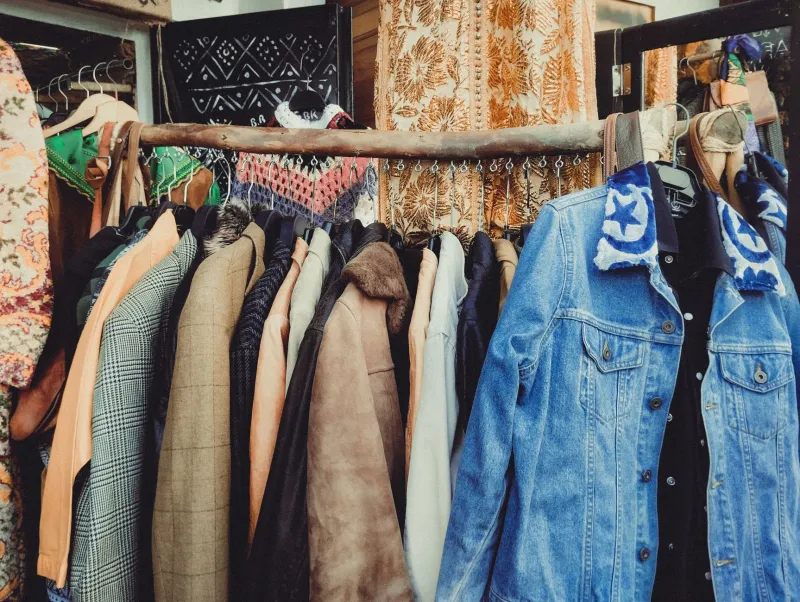
There's a particular kind of deflation that hits you in a charity shop doorway. You've found a wool coat, it fits, the colour suits you — and then you clock the ticket. Forty-five quid. The same coat, or something close enough, is sitting in a high street window three doors down for less, brand new, with a returns policy attached.
That's not a rare glitch. In 2026, second-hand has stopped being the automatic bargain option in a lot of UK towns. Rising overheads, higher footfall expectations and a resale market that now treats any garment older than a season as 'vintage' have pushed prices in some shops past the new-price line. Meanwhile the apps have added fees, postage and a bidding culture that encourages sellers to aim high and wait.
None of this means you should abandon the charity rail. It means you should stop assuming it's cheap and start checking whether it actually is.
The label is doing the pricing now
Walk into a Barnardo's or a Sue Ryder and you'll notice a pattern: the unlabelled, own-brand and supermarket clothing is often priced reasonably, sometimes almost giveaway. The rail with the North Face jacket, the Boden dress and the Levi's is priced by a different logic entirely — the logic of the brand name on the neck.
Staff and volunteers are working from a mental price list built on what a label suggests something is worth, not what it costs to replace. A faded Joules shirt can end up at £12 while a perfectly good, unbranded lambswool jumper sits at £4. Both might cost £30-ish new if you found equivalents. Only one of them is a deal.
This is brand blindness, and it cuts both ways. It makes ordinary mid-market labels look like prizes, and it makes genuinely well-made no-name clothing look like nothing at all. If you shop by label, you are shopping by someone else's price list.
'Vintage' is carrying a lot of weight
The word has quietly expanded. It used to mean decades old, distinctive, hard to find. In plenty of shops in 2026 it means 'second-hand but we've put it on a separate rail with a chalkboard sign'. A 2019 Zara dress is not vintage. It's a used dress.
Separate rails, curated sections and styled mannequins are all good retailing — they're also a pricing mechanism. You are being told, visually, that this item is different from the rest before you've looked at the ticket. Worth noticing next time a plain shirt in the 'curated' corner is £18 and an identical one on the main rail is £5.
Auctions, offers and the fee stack
Online resale has its own version of the problem. Fixed-price listings are usually the honest ones; the trouble starts with offer buttons and bidding.
On the auction-style platforms, a low opening bid gets you emotionally invested by Tuesday and paying over the odds by Sunday. Add buyer's protection, postage, and the fact that you can't inspect the seams, and a £22 coat can land at £31 delivered — with no returns unless the seller misdescribed it.
Offers work the same trick in reverse. A seller lists at £40 expecting £28. You offer £30 and feel like you've won. You haven't; you've just paid £30 for something you never priced against new.
The fix is unglamorous: before you bid, search the same item new. Not the RRP — the actual current price at John Lewis, M&S, Next or wherever it's still stocked. If a new one is £35 with free returns, a used one at £31 delivered is not a bargain. It's a £4 discount for accepting all the risk.
The costs that never make it onto the tag
Second-hand clothing carries hidden line items that new clothing doesn't:
- Cleaning. Wool coats, suits and anything from a smoking household often need a dry clean. That's £10–£15 before you've worn it.
- Repairs. Missing buttons, split seams, dropped hems. Cheap if you sew, £12+ at a tailor if you don't.
- No returns. Charity shop purchases are almost always final. If it doesn't work with anything you own, that's your problem.
- Fit risk. Sizing has drifted over the decades — a 1990s size 14 is not a 2026 size 14.
Stack those on top and a £45 coat can realistically cost £60 by the time it's wearable. That's the number to compare against the high street, not the ticket.
The thirty-second sum that settles it
Before you buy anything pre-owned, do three quick sums.
- Find the new price. Search the brand and item on your phone. Ignore RRP, look at what retailers are actually charging this week.
- Add your extra costs. Cleaning, repairs, postage, fees. Be honest — most people underestimate by half.
- Divide by wears. A £50 coat you'll wear 60 times is 83p a wear. A £25 coat you'll wear four times because it's slightly wrong is £6.25 a wear. Price-per-wear beats ticket price every time.
If the second-hand total comes in above roughly 60% of the new price, and the new one has a returns policy, buy new. Below half, and you're genuinely ahead.
Where second-hand still wins outright
The pre-loved market hasn't lost its edge everywhere. It's still comfortably the best value on:
- Outerwear and knitwear in real wool, where new prices have climbed hard and quality has slipped.
- Denim, especially heavier-weight older cuts that hold their shape.
- Furniture and homeware — solid wood, cast iron, glass — where new equivalents are either flimsy or expensive.
- Books, records and kids' clothing, the classic low-risk categories where the new price is high and the resale price is close to zero.
And it's usually the worst value on fast-fashion basics, anything with heavy branding, and items where fit is fussy. A £6 charity shop T-shirt is not a saving when a new one is £4.
The bottom line
Buying second-hand is a good habit, but habits get exploited. The sector has professionalised, and pricing has followed — some of it fairly, some of it opportunistically. Treat a charity shop rail like any other shop: compare, check condition, do the maths, and be willing to walk out empty-handed.
The best pre-loved purchases are the ones where the seller didn't know what they had. Those still exist. You just have to look past the chalkboard sign.