Clearance Aisle Theatre: When a Supermarket Markdown Is Actually Worth It
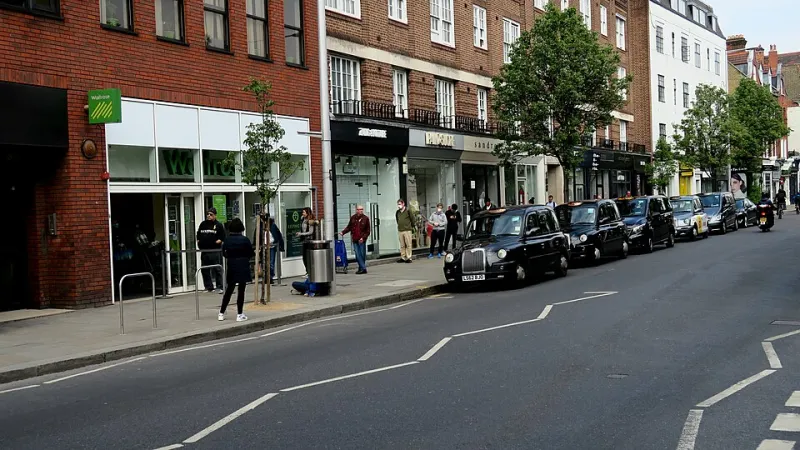
Photo: Kwh1050, CC BY-SA 4.0, via Wikimedia Commons
The yellow sticker is not a promise. It is a price tag with a pulse. In UK supermarkets, reduced-to-clear labels appear in waves — morning, afternoon, late evening — and the same sticker can mean a genuine last-chance saving or a modest trim on a price that was never brilliant. The question isn't 'is it yellow?' The question is 'is it actually cheaper, fresher and useful?'
The markdown clock is not one clock
There is a broad pattern. First reductions often land in the morning or early afternoon. A second wave comes later. Final cuts tend to appear near closing, especially on short-dated chilled food and bakery. But that pattern is a rough map, not a train timetable.
A large Tesco Extra on a busy Sunday is not the same as a quiet Co-op on a Tuesday. Staffing, stock levels, footfall and department all change the timing. The timings passed around on social media are anecdotal. Useful, sometimes. Gospel, no.
If you want to learn a store's rhythm, watch it over a couple of weeks. Don't build your dinner plans around a rumour.
Where the deepest cuts tend to land
Clearance is driven by shelf life. The shortest-dated categories usually see the biggest percentage cuts:
- Bakery items on their final day.
- Chilled meat and fish close to their use-by date.
- Ready meals and salads with a short window.
- Dairy near its date, especially milk, yoghurt and cream.
- Fresh fruit and veg that is starting to look tired.
Store-cupboard goods, alcohol and household staples rarely need dramatic markdowns. They can sit on the shelf. A supermarket has less reason to slash a jar of pasta sauce than a £4 chicken that must go tonight.
That doesn't mean the deepest cut is automatically the best buy. A 75% reduction on something you won't cook is just a cheaper way to waste money.
Theatre with a barcode
Some reductions are barely worth the walk. Watch for these:
- The unit price is still worse than the own-brand alternative. Compare per 100g or per kg, not just the sticker.
- The 'was' price was already high. A premium ready meal reduced from £5 to £3.50 can still look silly next to a £2.50 own-brand version.
- The pack is tiny. A reduced snack-size portion can be worse value than a normal-size pack at full price.
- The item is in a multi-buy or meal deal that never reflected the real unit price.
- The reduction is on something non-perishable that will be back on promotion next week anyway.
A yellow sticker is a prompt to check the maths, not a substitute for it.
Read the date, not the sticker
Use-by and best-before are not the same thing. Use-by is about safety, especially on meat, fish and ready-to-eat chilled food. Best-before is about quality. A reduced loaf past its best-before might be fine for toast. A reduced chicken breast past its use-by is not a bargain; it's a risk.
Check the packaging too. Bloated packs, damaged seals, slimy textures or a sour smell are reasons to walk away. The sticker tells you the price has changed. It does not tell you the item is fresh.
If you're buying to freeze, freeze it on the day of purchase or before the use-by date, and follow the pack instructions. Don't freeze something that says 'do not freeze'. Don't refreeze once thawed. Wrap it properly, label it, and accept that some textures — salad leaves, soft fruit, some sauces — won't survive the freezer well.
The 30-second check
Before the sticker wins, run this quick test:
- What is the price per 100g or per kg?
- Is the date realistic for when I'll eat it?
- Does the packaging and smell pass the basic test?
- Do I have freezer space and a plan for it?
- Would I buy the same thing at full price if I needed it?
If the answer to the last question is no, the reduction is doing the shopping for you. That's not a saving. That's theatre.
The yellow sticker is a tool, not a trophy. Used well, it cuts the weekly shop. Used badly, it fills the fridge with good intentions and a smell you'll regret by Thursday.